Lateral pressures do not introduce on their own along with excitement. They appear as a slow-moving bow in a cellar wall structure, an understated drift on top of a framed bay, or even a hairline gap that stretches after a massive rain. Eventually, those little indicators add up to use problems and also, in the most awful instances, a loss of architectural reliability. Tieback anchors as well as their helical cousins handle that complication at the source. They engage stable ground or even rock outside the failure region and pull a construct back right into balance. When made and put up appropriately, they are silent performers that extend the life of preserving systems, cellar wall structures, and whole buildings.
I have actually enjoyed tiebacks rescue aging industrial residential or commercial properties where street growths drove new tons in to old groundworks, and where digging for a neighboring task left behind a wall surface unbraced. The popular thread in prosperous results was certainly not a specific product however profundity in ground analysis, mindful load screening, as well as reasonable desires concerning hardness and movement.
Where sidewise reliability fails
Commercial structures face side tons from planet tension, additional charge coming from nearby pavements and visitor traffic, hydrostatic stress, wind on below-grade define partly open garages, and occasionally seismic trembling. One of the most common wrongdoers are out of balance backfill and groundwater. On a five-story hotels and resort I monitored in the Midwest, the reduced parking degree wall surface had actually been poured versus a coarse-grained backfill put as well promptly after the wall structure cured. Little straight gaps showed up at the lesser third of the wall within a year. Documents suggested magnify coming from lateral tension and also insufficient hookup of the wall surface to the slab diaphragm. The repair service rotated on helical tieback anchor helical pile foundations installment mixed along with fracture shot and a much better drain course, not a thicker wall.
The natural science is actually simple. Soil exerts side pressure that raises along with intensity. If the withstanding unit, typically a wall structure repaired at base as well as restricted on top, can certainly not counter the minute, the wall deflects. That curvature rearranges pressure as well as may reduce demand quite, but once cracks form and also water discovers a pathway, wear and tear accelerates. Tieback anchors step in by bring tensile lots in to stronger component a greater distance coming from the wall structure, which minimizes bending over in the wall surface as well as hats deflection.
What a tieback support does
A tieback anchor is a tension aspect installed via a design, normally at a downward angle, to transfer load from the design to the ground or even rock mass behind the active wedge. The support has three important parts: the connection zone embedded in qualified strata, a totally free size that stretches elastically to allow tensioning, and a head that connects to the design. When preloaded, the support produces a supporting force that counters active earth tension. The anchor carries out certainly not get rid of stress, it bypasses the vulnerable wall through attaching it to a more reputable load road in the ground.
Helical tieback anchors use coils welded to a core shaft to produce ability as they are screwed right into the ground. The installment torque correlates to capability, which offers urgent comments. Grouted tiebacks cultivate capability by building to the soil via cementitious cement. Both systems have a part. Helical anchors master granular or even cohesive dirts where twist could be developed as well as propelled swiftly, as well as they sparkle when gain access to as well as vibration limitations are precarious. Grouted tiebacks usually make sense in sands as well as rocks at sharpness or even when a rock connect area is actually needed.
When helical tiebacks are the correct tool
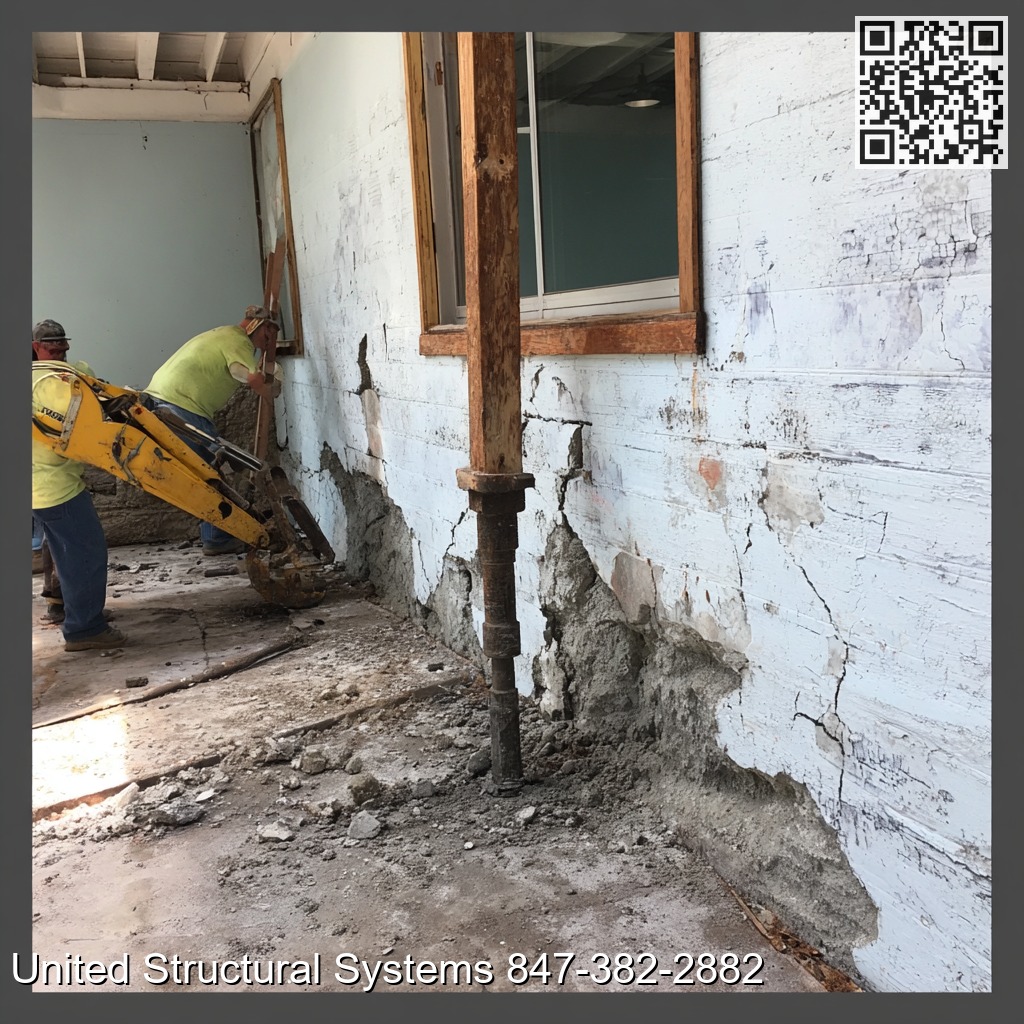
On infill sites with unsatisfactory gain access to, helical tieback anchor setup may be performed along with reasonably little, low-clearance tools. An experienced staff may install supports from inside a structure without taking out pieces. At a warehouse in New Jersey, we maintained a 140-foot extent of accepted foundation wall without disrupting procedures. Anchors were actually mounted from the inside, tilted beneath pallet shelfs, as well as tensioned versus brand new waler beams at the wall structure face. The helical tiebacks paired with a boundary drain lowered hydrostatic tension as well as offered the wall surface a reliable counterforce.
Helical anchors likewise function effectively when the routine can easily certainly not accommodate grout treatment times. The relationship between twist as well as capacity allows evidence packing the very same time. For urgent commercial foundation stabilization, that accelerate issues. If a wall is actually relocating and you require to halt progress before the following rain, helical tiebacks might be actually the distinction between a fixing and also a rebuild.
Edge instances exist. Heavy crushed rocks with cobbles may disperse helices, causing misaligned positioning or even refusal. In that instance, changing to a punched micropile-style tieback along with grout makes good sense. Organic dirts and also landfill fragments are an additional warning. You need to bypass undependable layers to discover a capable connect area, in some cases at more significant sizes than initially planned. That is actually where preconstruction test anchors get their keep.
How tiebacks exchange along with deeper structure systems
Lateral stabilization is seldom standalone. It links into various other base techniques. A contemporary commercial property may incorporate commercial helical pile installation for upright support with helical tieback anchors for lateral security. I have additionally viewed micropiles lug gravitation bunches while helical anchors dealt with rescinding at a tall keeping wall. Micropiles and also protection heaps are actually great for upright lots transmission by means of bad grounds to rock or heavy strata, however in pure tension laterally they have actually limitations unless battered or even anchored with a deep bond zone.
Consider a retail package store improved soft clays over timeworn shale. The pillars were actually sustained by micropiles, 2 every pillar, set up to stone. The rear filling dock called for a 16-foot cut along with a soldier stack wall structure. The style used helical tieback anchors for the wall, laterally bandaging the device without transmitting large lots back into the piece. That separation of jobs always kept the construct clean, and future piece repair services would certainly not intimidate lateral stability. Micropile installation and tieback anchors, when teamed up, enable modular repair and also maintenance.
Commercial resistance pile installment, occasionally called push boat docks, can likewise discover an area. While resistance piles shine in structural foundation repair for resolution, they are actually not generally made use of as major lateral components unless combined with walers and also preparing. In deep foundation repair, I examine resistance piles for upright modification and also helical tiebacks or even grouted anchors for wall restriction. Mixing bodies is certainly not duplication, it is branch of labor.
Diagnosing side distress before deciding on anchors
Foundations that need to have tiebacks often show very early signs: straight splits near mid-height, angled fractures at sections, bulging of brickwork units, or spalling where rebar has actually rusted from water infiltration. Before any type of commercial foundation repair, map the gap pattern and also take a few altitude chances with a laser throughout the wall. If the curvature is concentrated at the facility of a door, a tieback design with closer spacing there might be actually warranted. If the best of wall was wanted as a diaphragm connection however the support screws are actually oxidized or missing, think about upgrading the link in tandem along with anchors. Foundation crack repair by means of epoxy injection has the best value after motion stops, certainly not before.
For below-grade wall structures, groundwater control marks excellence. I have actually drawn on beautifully put in tiebacks that did their task while water continued to drive by means of chilly joints and cracks. The wall structure remained upright, yet the space kept wet and also unhealthful. French empties, weeps, and also good drainage off of the wall surface minimize the line-of-defense work that tiebacks are compelled to carry out. If hydrostatic stress is higher, plan for empties and also septic tank capability in the same breathing spell as anchors.
Design points to consider that bring in or even violate performance
Tieback layout rests on reputable dirt information as well as reasonable load styles. A general rule: if you are relying on presumed dirt specifications from a newspaper all over community, you have unlocked to callbacks. Draw a few borings or even conoid infiltration examinations along the wall surface alignment. Look for the sharpness to stable product and the visibility of layers that can slip under continual tons. Silts that appeal company on beginning may kick back under long-lasting pressure. When utilizing helical anchors, track setup twist every feet to pinpoint fragile seams.
Anchor geometry is actually much more than a design. The angle of installment, normally 10 to 25 levels below horizontal, impacts disengagement efficiency as well as the threat of coming across energies. The connect zone duration, whether grouted or defined through helical layer stack, should fully create capability. In helical tiebacks, the lead arrangement matters: a number of helices spaced 3 dimensions apart on bum rap minimize group communication and enhance weight distribution. For grouted tiebacks, gap size and cement strength determine the connection capacity, however therefore does drilling approach. Very hostile exploration can asperse the borehole in clays and decrease bond.
Load screening is non-negotiable. I favor a plan that includes a minimum of one functionality test to failing or even 1.5 times concept load, and also verification examinations on creation anchors to 1.25 times concept bunch. Maintain a specific eye on creep under sustained load. A basic requirement, like lower than 1/8 in activity in 10 minutes at optimal exam lots, delivers a peace of mind inspection. If a support sneaks, reassess the connect zone or even switch to a various system.
Head particulars matter as much as the dirt. A tieback head generally bears on a waler, usually steel network or wide lip, that spreads the factor bunch right into the wall. Poor waler match results in squashing or stress concentrations as well as may telegram as brand new fractures. On a brick-infill wall structure, platters or even stations supported through cement can easily soften the interface. For cast-in-place concrete, coring a cool opening and utilizing a hot-dipped galvanized plate along with a sunken almond always keeps servicing straightforward as well as deterioration in check.
Installation truths on industrial jobs
Commercial helical tieback anchor setup does well when workers respect the property and also the neighbors. Supports put in coming from internal spaces demand defense for surfaces as well as dust command. Fit-for-purpose tools, generally a twist electric motor installed on a mini-excavator or even skid-steer, needs sufficient room to create torque without hopping off a row line. Where room is actually cramping, hand-held gas units can easily mount smaller-diameter helical anchors, yet you trade velocity and also capacity.
On a healthcare facility retrofit, our installment home window ranged from 9 p.m. to 5 a.m. to steer clear of interfering with imaging rooms. Our company sequenced supports to ensure no more than pair of adjacent anchors were set up at a time, staying clear of brief loss of wall structure help. Pre-staging walers and components within the day lowered noise in the evening. The supports were actually tensioned gradually, 25 percent to seat, 75 percent to technique style, at that point full bunch after a fast pressure check. That stepwise method stays away from surprise packing a weak wall.
For grouted tiebacks, the internet site has to accommodate grout batching and also spoil administration. In urban basements, that may be the restriction that pushes the choice toward helical anchors. Where cement is actually required for layout reasons, use a tremie cylinder to put grout from all-time low up and observe returns. Overdrilling without studying invites failure and also polluted connect regions in delicate soils. A tiny slip below becomes a persisting routine maintenance call later.
Integrating tiebacks along with other repairs
Tiebacks are one part of structural foundation repair. They partner typically with deep foundation repair methods made use of to take helical piers design care of negotiation or bad bearing. A common sequence in commercial foundation stabilization looks like this: help gravitational force lots with helical piles or micropiles, bandage sidewise lots along with tieback anchors, after that deal with wall surface problem with fracture injection, patching, as well as basement waterproofing. That order preserves alignment and also reduces added harm throughout repair.
When a wall has split, foundation crack repair by epoxy injection repairs structural continuity, but only after action is handled. For moist walls, polyurethane crack injection can easily stop leakages prior to epoxy repair work. In masonry, carbon dioxide thread bands may share duties with tiebacks to restrict bulging between supports. The secret is identifying what each element prospers. Helical piles as well as resistance heaps take care of vertical tons, micropiles take care of vertical lots where rock is actually centered or even access is actually precarious, helical tiebacks and also grouted supports handle lateral lots, as well as surface repair services rejuvenate longevity as well as watertightness.
Costs, schedules, and what owners need to expect
Owners inquire pair of questions: For how long will it take, and how much will it cost? The truthful response is actually varies with contingencies. For a normal office helical tieback venture on a 100-foot wall structure along with support space near 6 to 8 feet, foresee 15 to 20 anchors. Along with really good access as well as sincere dirts, a team can put in as well as stress 6 to 10 helical tiebacks each day. That yields a 2 to four day installment home window plus mobilization and prep. Grouted supports take longer because of boring, housing, and grout cure, often a week or even even more for comparable scope.
Costs depend on duration, capability, get access to, as well as screening requirements. Helical tieback prices often falls between mid 4 figures to low five amounts every anchor for office setups, along with metropolitan tasks on the uppermost edge. Grouted tiebacks could be comparable per support however with greater web site coordinations expenses. What owners may trust: ventures that buy proper examination and also screening have fewer improvement purchases. The most cost effective anchor that stops working a creep test is actually not a bargain.
Common mistakes and also exactly how to stay clear of them
The most frequent bad move is dealing with tiebacks as a panacea without resolving water and water drainage. A wall structure restricted through supports can still fall apart from entraped moisture, freeze-thaw cycles, and deterioration. Another slip is overlooking geometrical restrictions. Supports may encounter powers, resident rooms, or even future excavations. On a mixed-use venture, an unskillful tieback trend disrupted a support resident's considered elevator pit pair of years eventually, as well as many supports had to be actually abandoned and replaced.
Overreliance on catalog capabilities without web site verification likewise leads to trouble. I maintain a log of installation torque, examination tons, as well as actions for each support, certainly not only the examination anchors. Design develop. If twist drops all of a sudden in an area, probing even further. It might be actually a buried trench, a filler pocket, or even a soft seam. Adapting instantly, along with the developer interacted, always keeps the project on track.
Choosing between helical, resistance, as well as micropile systems
Engineers and specialists typically experience a three-way option one of helical piles, protection piles, as well as micropiles, particularly when repair work ask for both upright and side upgrades.
- Helical stacks and helical anchors: Finest when get access to is limited, resonance needs to be marginal, and quick capacity confirmation using twist is valuable. They satisfy a wide variety of soils however battle in very dense crushed rocks along with cobbles or even boulders. Resistance stacks: Solid alternative for improving settlement under existing footings where gas ports may press heaps to refusal against the building. They are actually largely upright aspects, certainly not sidewise, unless prepared in struggling sets or utilized along with walers. Micropiles: Extremely versatile drilled-and-grouted components that do work in limited rooms as well as with obstructions, along with superb efficiency to stone. They hold high loads yet involve more devices and cement handling than helical systems.
That fast comparison conceals nuance. The shortest schedule is certainly not always the lowest threat. A web site with adjustable filler may argue for micropiles as well as grouted tiebacks even with the slower pace, since drilling as well as grouting can stabilize the variability. On the other hand, in uniform clay-based along with trustworthy twist connection, commercial helical pile installation along with helical tiebacks returns speed, low disturbance, and clean documentation.
A brief field story
A waterfront storage facility in the Southeast had a maintaining wall structure that leaned 2 ins over 12 feets of height, pushing toward the inside. The wall backed up to a slender alley along with electricals laced by means of the right of way. Digging was off the table. We mapped energies, after that specified a helical tieback design from the inside at 15 degrees below parallel, targeting a sandy layer at 18 to 24 feet where examination probings presented really good quality. Walers were rolled steel channels fastened along with adhesive dowel pins into the wall structure. We installed 22 supports over three nights, with installment twists varying from 5,500 to 7,000 foot-pounds, correlating to design tons of 25 to 35 kips. Verification exams went smoothly, yet 2 supports showed higher-than-expected action at lots. Ground logs presented a slim silt lens at that elevation. Our company expanded those pair of supports an added 5 feets to catch the deeper sand and also retested. Action fell to within criteria. 6 months after finalization, the wall surface continued to be steady, the fracture sizes had not developed, and the interior room stayed dry out after hurricanes with the help of a brand new drainpipe and sump.
That project strengthened a session I relearn on every work: the dirt informs you what it will take, not the various other technique around.
Quality management that pays off
Documentation is part of the work. For business projects, always keep a complete file: anchor I.d.s, sites, slants, lengths, coil configurations or even connect durations, setup torques or even grout amounts, test bunches, and also actions. Pictures of heads as well as walers after tensioning assistance future teams comprehend the fixing. Site inspectors as well as engineers should review the very first a number of supports in person, after that at sensible turning points. These routines sound bureaucratic until the day a filling dock rooftop add-on shifts surcharge onto a wall structure, and also the manager requests the initial capabilities and also aspects of safety.
Corrosion protection is entitled to focus. Hot-dipped galvanizing, epoxy finishes, double rust protection for grouted tiebacks along with sheath, and also suitable outlining at heads stretch service life. On seaside internet sites or even where de-icing salts exist, do certainly not skimp. Indicate the protection device early thus lead times do not threaten schedules.
Bringing it together
Tieback anchors are certainly not extravagant, but they are actually truthful. They create a measurable assurance: use a recognized counterforce where the design needs it most. When paired with intelligent water drainage, appropriate deep foundation repair aspects, and also serious describing, they send back management to owners and resource managers who require structures to work every day. The most effective outcomes arise from restrained concept, transparent testing, as well as workers that recognize both the structure and the ground. If a wall is accepting or even a cellar is actually taking on water, the right combo of helical tieback anchors, helical piles or even micropiles, and simple foundation crack repair may switch a slow-moving concern right into a dependable, foreseeable asset.
 Ask ChatGPT
 Ask Grok
 Ask Perplexity
 Ask Claude
 Ask Google AI
 Ask You