Commercial properties rarely sit on excellent ground, and they hardly ever remain static for long. Lessees change tons, neighboring growths alter groundwater, as well as some websites merely were developed over soft or even changeable strata. When structures move, doors tie, slabs split, fronts rack, as well as insurance policy deductibles start to experience small. Retrofitting along with helical piles has become a trustworthy method to stabilize and also re-level existing structures with low disturbance, especially where traditional base is also high-risk or even as well sluggish. The procedure is actually certainly not a cure‑all, but when it accommodates, it resolves complications that used to demand months of digging and also shoring.
I have actually devoted a part of my progress walking slab sides at 5 a.m., liquid chalking settlement lines before stores open, as well as detailing to GCs why our torque logs matter more than the different colors of the paint on the bracket. The observing reflects what tends to work, what derails a venture, and also where commercial helical pile installation sparkles compared to other deep foundation repair techniques such as protection heaps as well as micropiles.
Where Helical Piles Make Sense
Helical stacks, often contacted helical anchors or tighten heaps, excel in retrofit work where you require capacity without huge devices or spoils. The coil plates create central capability with both side bearing and also edge rubbing, and also the installment twist connects to ability by means of well-documented connections. That torque-to-capacity predictability comes to be indispensable when you are threading heaps in between powers and also setting up brackets under an existing grade beam at night.
They are actually usually properly satisfied for:
- Stabilizing settled strip grounds, grade beams, or even pillar pads where accessibility is constrained or clearance is actually limited. Lifting as well as re-leveling gently to reasonably jam-packed frameworks without full excavation, often in active facilities.
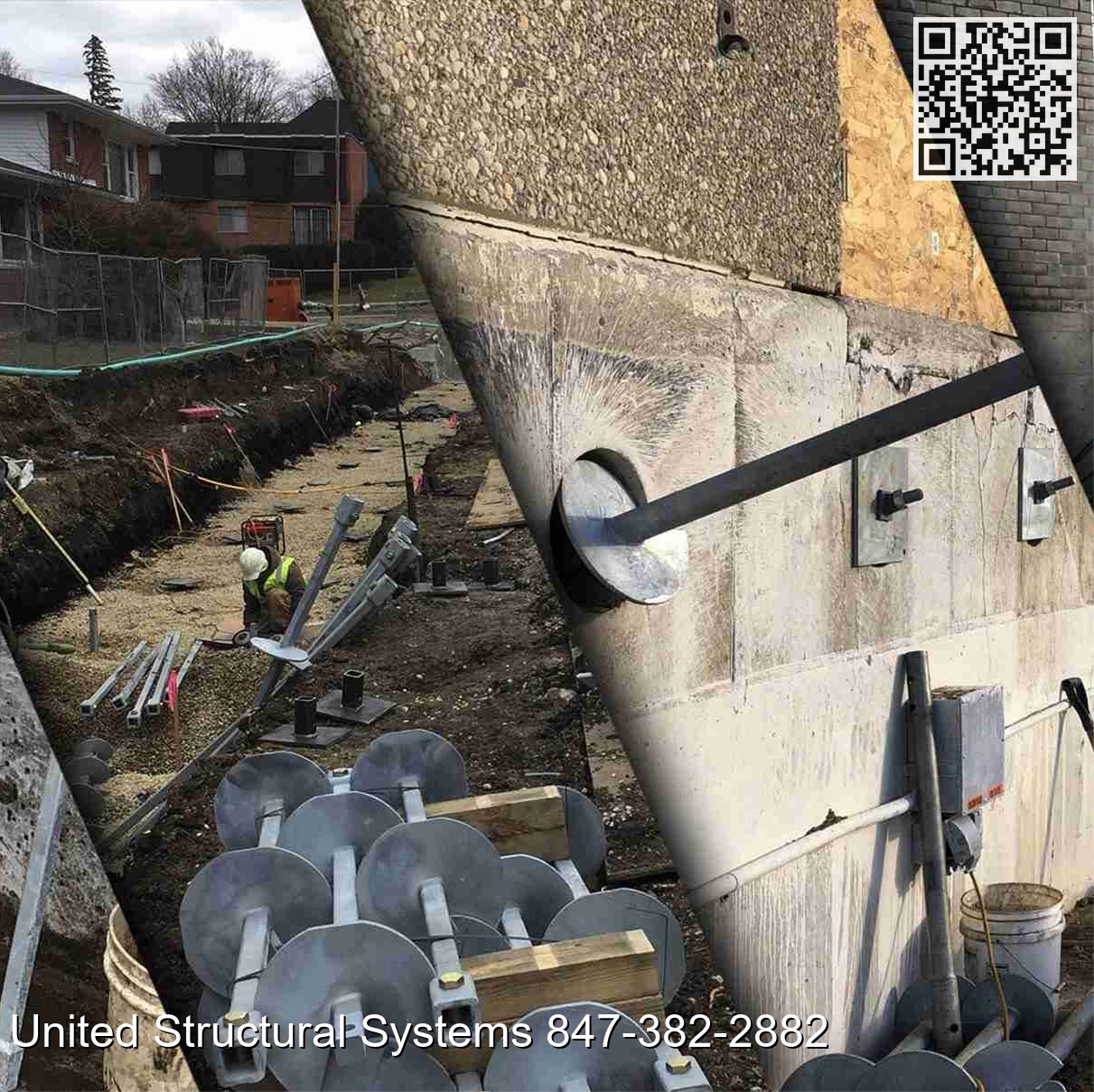
On retail pads created over stuffing, I usually observe a design: side settlement along store front pipes and differential action at demising wall structures. In these scenarios, commercial helical pile installation permits us to grab the existing footing with retrofit braces, install piles at 6 to 10 feets on center (closer near edges or even hefty aspect lots), and either padlock off for stabilization or jack for lift. In numerous warehouse, our company have actually put in helical tieback anchors to stabilize dock walls that were kicking outward as a result of surcharged backfill. The dexterity of the tooling lets you work around live procedures with careful sequencing.
There are restrictions. Helical piles shed effectiveness in extremely dense gravels or cobbles, difficult antarctic tills, as well as bound caliche where the helices may not reduce cleanly. In those dirts, commercial resistance pile installation or micropile installation frequently provides better control. Destructive soils, near-surface organics, as well as chloride-laden fill ask for coverings, galvanization, or even propitiatory steel, all of which should be actually assessed versus layout life.
A Practical Contrast: Helical Piles, Resistance Heaps, and also Micropiles
Owners and designers often seek the least road to a stable structure with the minimum sound and the least dust. Each body holds compromises.
Helical stacks put in by rotation, along with very little resonance. Capability comes from bearing on helices and skin friction. The devices footprint is actually small, thus staffs can easily operate within stores, health centers, and also data centers with reduced space. Real-time torque analyses help confirm ability. They are actually ideal for each squeezing as well as pressure, which matters for canopies, signs, and also wall surfaces that observe wind uplift, as well as for helical tieback anchor uses on maintaining structures.
Resistance piles, at times gotten in touch with push piers, breakthrough by jacking steel water pipes sections against the building's weight till they achieve rejection or target stress. They helical pile foundation versus others beam where the structure is hefty enough to build capacity during driving, and where dirts are actually seasoned below the settlement zone. They are actually simple for structural foundation repair under regular footings, yet much less satisfied where the establishment can not carefully function as response throughout installation or even when stress lots are significant.
Micropiles are small-diameter punched and grouted heaps with a steel club or even studying for reinforcement. They accommodate practically any type of ground condition, featuring rocks as well as incredibly heavy strata. They hold higher lots as well as give superb functionality where sidewise demands are strong, or even where we need to reach via debris satisfies as well as obstacles. The give-and-takes are mobilization, spoils monitoring, sound, as well as opportunity. Commercial micro pile installation needs experienced drillers as well as rigorous cement quality control, which the most effective professionals already treat as standard.
I carry out not choose an unit by practice. I look at loads, gain access to, soil profile, routine, allowed vibration, and whether the manager may allow noticeable motion during jacking. A lot of retail ventures favor helical piles for rate and also tidiness. Massive commercial retrofits often gravitate to micropiles. Protection heaps pack a niche where value as well as gain access to align.
The Retrofit Pattern That Stays Away From Headaches
On a traditional commercial foundation repair, excellence adventures on preparation and also industry proof. If you avoid either, the site will modest you.
Start along with a structural evaluation and also a geotechnical examination that is specific to the damaged zones. I have found proprietors drop months considering that earlier borings were taken 200 feet coming from the complication place. If boring new borings is actually impossible, pair CPT soundings along with examination piles to adjust torque-to-capacity. For commercial helical pile installation, our team typically set up one or two preproduction heaps to complete intensity, report twist every foot, and proof-load to validate size and curvature behavior.
Layout happens following. At this phase we verify powers with GPR and potholing. It is tedious, however absolutely nothing wrecks a schedule like cutting a comm line during a night shift. Footing direct exposure needs to be actually operative, along with minimal excavation as well as shoring as needed to have to maintain bearing. In much older structures I emphasize exposing rebar to understand the encouragement style since brace attachment approaches depend upon it.
Bracket assortment complies with. For level ray of lights, side-load or even under-beam brackets spread bunch without squashing cover concrete. For pillar pads, a top-mount configuration can operate if our team may core as well as epoxy brand new steel, yet I choose to brace no matter where achievable to prevent intrusive job. The bracket-to-concrete user interface is actually the weak link if you obtain it wrong. Developers must examine cement compressive toughness, side proximities, as well as the communication in between jack bunches and also breakable coatings like terrazzo.
Pile setup proceeds with twist surveillance. Our company tape-record torque at one-foot increments as well as collective twists. Dropping torque contours normally mean gentle interbeds; spiking contours can easily indicate impediments or even change coatings. If our company can easily not attain concept twist before the practical intensity limitation, we add helices or even encompass a deeper bearing layer. The greatest drillers experience the heap. They will definitely stop briefly, turn around a quarter spin, and also re-drive to very clear cuttings. That type of finesse separates a well-maintained log from an unpleasant one.
Load transactions and also hoisting come last. A typical blunder is actually raising as well rapidly or even as well much. I consider lift in stages, usually just a quarter inch every cycle near breakable finishes. We monitor split evaluates, utilize visual amounts on management factors, as well as connect with occupants just before any kind of door ties. Certainly not every job asks for a lift. Stabilization without lift is kinder to energies as well as coatings when the distress is actually cosmetic or when differential settlement deal is actually modest.
Choosing Helical Tiebacks for Lateral Problems
Not all distress is upright. Preserving walls, cellar wall surfaces, and dock pits healthy when backfill tensions go beyond the initial style, particularly after website improvements or drain failings. Helical tieback anchors deliver strain ability along with low disruption. The anchor shaft is actually drilled with the wall at an angle, coils develop in to proficient dirt beyond the energetic wedge, and a bearing plate or even waler on the wall surface skin takes the load.
I like helical tiebacks due to the fact that they set in motion capacity immediately the moment the target twist is reached, which implies our team can easily pre-tension as well as verify on the exact same switch. For brick-veneer exteriors or cast-in-place wall surfaces along with rebar blockage, format and also exploration slants take determination. For high walls or massive surcharge, you may require a waler to distribute tons, and you might couple tieback anchors with vertical helical piles to stand up to bundled upright and also side demands.
Commercial helical tieback anchor setup ends up being even more convincing when the home is actually girded through home product lines, powers, or sidewalks you can not excavate. No spoils to haul, no large trough guards, and very little bit of noise. Failings develop when the anchor span is actually as well short to seat in the passive area, or even when deterioration is actually disregarded. Layout for the actual soil, certainly not the best possible soil from the boring log.
Working Inside a Live Building
The absolute best compliment I have obtained coming from a residential property supervisor is that no person noticed our experts were there. Retrofitting existing groundworks in energetic industrial spaces is as a lot concerning choreography as engineering.
Night switches minimize obstruction however compress choice windows. For a convenience store, for instance, we barricade at 10 p.m., sawcut little sections of piece, excavate to the ground, set up heaps as well as braces with a mini-excavator or transportable travel head, and backfill by 6 a.m. Sound limitations steer the selection of devices, as well as dust management is non-negotiable. Our experts function HEPA air scrubbers as well as make use of damp methods for sawcutting. If a floor polish crew observes you, they will definitely leave open every shortcut in your security plan.
Coordination along with MEP units is critical. Gas lines can easily rest ins from footing skins, and also aged channel bends carry out not match as-builts. I have actually quit working more than when to reroute a gas product line after discovering a threaded coupling straight where a bracket needed to have to birth. Those hours are actually inexpensive reviewed to the choice. Fire view, stimulate control, and hot-work permits are routine. Strategy the short-lived wedge shoring for jacking loads, especially under brickwork or finishes at risk to vibration.
How Much Ability and How Many Piles?
Loads govern space as well as count. For lightweight to medium office retrofit, single helical piles generally lug twenty to 60 kips in squeezing, at times extra in great soils with much larger helices and thicker shafts. Strain ability for helical anchors is actually equivalent, frequently a little a lot less depending on coil setup. Micropiles may hold 100 kips and also beyond in portable environments, along with housings and cements adapted to geography. Resistance stacks differ widely with steering stress limits and pile-to-soil abrasion. If your columns demand 120 kips and you really want redundancy, two helical piles with a cap beam may make sense, however check out lateral needs and also eccentricity at the brace interface.
Spacing along quality shafts often lands in between 5 and 10 feets, tighter near sections or factor lots, bigger along consistent stretches. The objective is actually uniform hardness along the affected jog to make sure that jacking carries out not create sawtooth altitudes. If you have futures of distress, break the airlift right into places to keep stress improvements manageable.
What the Twist Log Definitely Says To You
Torque is actually certainly not a magic honest truth, but it is actually a strong proxy for ability when analyzed with situation. We utilize a twist relationship element, Kt, to connect ultimate setup twist to central ability. Kt relies on ray measurements, coil setup, and also dirt style. Experienced engineers adjust Kt along with lots tests or a minimum of along with local area background. In soft clays, you might find a consistent twist increase with intensity. In split soils, twist can fluctuate. An unexpected come by twist may show an organics pocket or even a void. Carry out certainly not ignore it. Time out, assess, and take into consideration extra deepness or even helices.
If you are actually putting in helical piles under an existing ground, the twist analysis near the surface area will certainly be actually turbulent due to building and construction debris, backfill irregularity, as well as the constraining effects of excavation. Begin caring about torque as soon as you are beyond the impact deepness of the excavation, usually a few sizes listed below all-time low of footing. I insist on documenting constant torque, deepness, as well as turnings. A clean information collection becomes your as-built verification if an insurance claim occurs years later.
Dealing along with Structure Cracks and Slab Repairs
Owners often inquire whether foundation crack repair should come in the past or even after deep groundwork work. Timing concerns. Building cracks driven by settlement must be supported through taking care of support to begin with. If you epoxy-inject a flexural gap and afterwards raise the structure, you can easily make new fracturing or even debond the repair service. I like to mount helical piles or even resistance piles, conduct airlift if specified, let the building unwind for a couple of times, after that full fracture repair services. Cosmetic splits on pieces can easily hang around, yet keep an eye on control joints and sawcut time if you are recasting spots. Humidity as well as temp differentials around a third shift can easily push slab spots into buckling if ending up is rushed.
Slab-on-grade issues also invite slab-underpinning approaches like interior helical piles along with slab braces, or even micropiles drilled by means of the piece with caps. I lean toward linking slabs to the base unit simply when piece action imperils operations or makes slipping threats that may not be actually handled through joint repair service. Separate the objectives: structural foundation repair intends for the lots road, while slab solutions manage use and also safety.
Corrosion, Coatings, and also Style Life
Helical stacks as well as tieback anchors are actually steel in the ground, thus oxidation is core to design. For a regular industrial layout life of half a century, our experts review ground resistivity, chlorides, sulfates, pH, moisture, and redox shapes. Galvanization stretches everyday life at a sensible costs. In soils with high chlorides, plastic layers or perhaps cathodic security might be justified. Some owners allow sacrificial steel fullness based upon rust costs. Others require total galvanization of shafts and coils, particularly near defrosting salts or even seaside sites.
Micropiles rely upon grout encapsulation as well as examining to control deterioration, which functions properly when grout premium is higher as well as cover is sufficient. Resistance stacks may consist of oxidation allocations in pipe thickness. Documentation these choices. Deferred servicing usually lands back on the foundation body years later, and also clear reports restrict debate.
Permitting, Inspections, and What Inspectors Care About
Most territories alleviate helical piles as deep foundations, so allows need engineering stamps, geotechnical input, as well as sometimes exclusive assessments. Inspectors frequently ask for:
- Installation logs along with twist, depth, as well as rotations, plus stack and bracket details. Load test results if specified, and also verification tests for a percentage of set up piles.
Torque equipment gradation certificates issue. I maintain calibration sticker labels current and deliver an extra torque transducer to important projects. For tieback anchors, inspectors are going to commonly witness pre-tensioning as well as lock-off forces. Produce area for all of them, and also the whole procedure manages smoother.
Cost and Set up Realities
Owners are worthy of straight speak regarding cost. Depending upon region, ray dimension, and depth, helical piles for commercial foundation stabilization typically property in the center between resistance stacks and also micropiles. Mobilization is small, especially for indoor job. The timetable benefit is actually actual. A staff can easily install 10 to twenty helical piles in a third shift under decent problems, consisting of brace create as well as partial backfill. Micropiles, while even more extremely versatile, often need at least dual the moment as soon as punching, grouting, and treating are actually included. Resistance stacks can be swiftly under the best circumstances, however access for ports as well as the demand for the structure to act as reaction at times complicate staging.
Budget along with backup for unknowns. Allocation for additional depth, included coils, or improvements in brace kind may be the difference in between a tidy work and also a stack of change purchases. I encourage managers to include a 10 to twenty per-cent backup on deep foundation repair scopes unless subsurface relevant information is actually uncommonly robust.
Case Pictures coming from the Field
At a country medical office complex with reoccuring door imbalances, borings revealed 8 to 12 feet of loosened stuffing over stiff clay. Our team set up helical piles at 7-foot spacing along pair of quality beams, achieving normal setup twist of 5 to 6 kip-feet, connected to 30 to 40 kips per stack. Night work, low noise, and preplanned lifting restricted indoor cracking. A two-night airlift of 0.5 inch at the most awful section brought back elevations to within a fourth inch all over a 60-foot round. The MRI suite down the venue never closed down.
At a getting older filling dock, the keeping wall pitched regarding 2 ins as a result of saturated backfill. Commercial helical tieback anchor installation added 16 supports at 20-degree angle of inclination, each with two 10-inch helices bearing in dense sand at regarding 18 feets. We pre-tensioned to 15 kips and also mounted a steel waler to distribute bunch across the old concrete. Water drainage responsible for the wall structure was fixed with brand new weeps and a retrofit drain. The dock layers seated properly for the very first time in years.
At a storehouse development junction along with slab resolution, the manager to begin with wished mudjacking. The joint possessed differential of 1.25 inches over 16 feet, and survey points presented ongoing activity. We mounted indoor helical piles along with piece braces under the piece edge as well as tied the piece to the maintained groundwork series, at that point utilized a lightweight mobile cement to fill up voids. Forklift website traffic resumed two days later on without brand new splitting for 3 years and also counting. Different issue, different option, but the concept held: support the structure before you suit up the symptoms.
When Resistance Stacks or Micropiles Win
Not every project comes from helical piles. A downtown high-rise annex along with pillar bunches over 150 kips and rich till at shallow midsts required micropiles. Helical piles could certainly not penetrate the till properly, and also resistance heaps lacked trusted friction in the blended stuffing above. Our company bored 7-inch studied micropiles to 35 feets, grouted them, and also connected to a brand new hat beam that picked up 2 pillars. The property stayed online, as well as vibration stayed low good enough for the records facility in the cellar to use through without alarms.
On a massive stonework building along with a continuous stone groundwork, the owner favored speed as well as inexpensive. The building's weight enabled commercial resistance pile installation along with hydraulic ports responding versus the rock. Our team evolved to refusal in frosty sands at 22 to 25 feets and moved bunch by means of steel braces. No torque logs, however solid driving pressure records and evidence tests delighted the developer of report. It was the best device for that envelope and soil.
Quality Control That Purchases Itself
The most helpful QA methods are actually straightforward. Always keep clean installation logs with depth, twist, as well as details on blockages. Picture every bracket installation prior to backfilling. Assess a part of heaps. Verify torque tools gradation. Maintain constant staffs therefore trends in the logs are actually purposeful. When you find one thing unanticipated, quit as well as talk to why. That is actually where cash is spared and also credibility is built.
I additionally worth post-installation tracking. An easy poll after 1 full week and also 1 month, especially after an airlift, confirms whether hairs as well as braces are actually holding. For long runs in extensive clays, periodic surveillance aids distinct recurring activity coming from brand new distress.
Bringing It Together
Retrofitting existing commercial structures with helical piles is much less concerning the item and even more about judgment. The resources are proven: helical piles, resistance piles, micropiles, as well as helical tieback anchors all have long performance history in structural foundation repair and commercial foundation stabilization. The designed partakes choosing the technique that matches the ground, the lots, the structure, and the lifestyles occurring inside that structure. Great retrofit contractors understand exactly how to communicate twist and schedule in the same paragraph. They appreciate the property's past history and also the proprietor's constraints.
If you bring anything ahead, let it be this: look into accurately, planning snugly, document completely, as well as adapt in the field. Do that, and you will deliver deep foundation repair that certainly not only stops splits, yet restores peace of mind in the ground under the business.
 Ask ChatGPT
 Ask Grok
 Ask Perplexity
 Ask Claude
 Ask Google AI
 Ask You